


Seed for Herbs
Herbs can be some of the most rewarding plants to grow, with even a few plants providing flavouring for many different meals, as well as filling the garden with scent and colour. Many of the herbs we offer can be grown very successfully in containers if you have limited garden space or want to cheer up a patio or balcony.
 Chinese Chives (a.k.a. Garlic Chives)
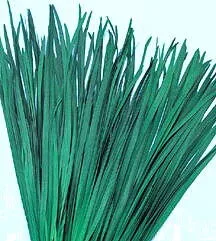
Chinese chives are an easily grown herb, very useful in the kitchen. Their clumps of distinctive flat leaves have rounded tips and a mild garlic flavour, hence their other common name of Garlic Chives.
We particularly like them snipped into an omelette. They actually make an underground rhizome and come back year after year, so once you have a clump established you have them forever.
 250 seed £2.33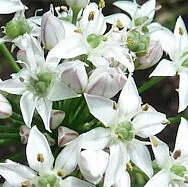
Basil Seeds
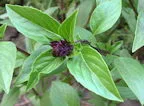 ‘Cinnamon’ Basil
An unusual variety with an incredible cinnamon scent. The flavour is similar to sweet basil but with strong overtones of cinnamon.
Cinnamon basil has green leaves, and pretty purple flower spikes that seem particularly attractive to bees. Ideal in cooked dishes, and actually its just really nice as a decorative plant - the bush smells delicious when you brush against it.
A medium sized bush, green leaves, amazing cinnamon scent.
400 seed £1.39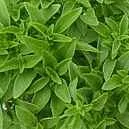 Finissimo Basil
This one has a lovely spherical bush shape which is ideal for growing in a pot. The leaves are tiny (1/2 cm), but there are loads of them and they have a strong basil scent and flavour. One of Kate's favourites - perfect for growing on a windowsill so that it's always to hand when you're cooking.
Tiny, strong-scented bushes.
400 seed £2.30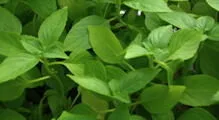 Lemon Basil
Delicious - a real basil scent but with strong lemon flavour. Use it anywhere that you would use normal basil, but we find it particularly good in salad dressings, with fish dishes, and on fresh garden peas. You can also use it to make a nice herbal tea.
A green, lemon-scented basil.
400 seed £1.49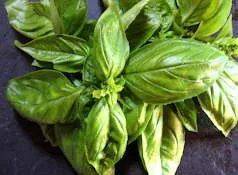 Sweet Genovese Basil
This is a medium-sized sweet basil from Genoa - which we have added for those of you who requested a traditional pesto variety.
Green, medium-sized leaves.
400 seed £2.32Other Herbs
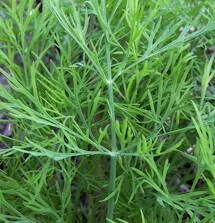 ‘Dutch Mammoth’ Dill
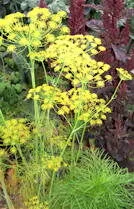
Dill! Here we have a particularly large-growing strain from Holland. Very easy to grow. Sow thinly direct into well prepared soil once the weather has warmed up in spring, and just keep the soil moist until plants are established. Grows up to 3’ tall, so allow a reasonable amount of space It does tend to bolt (run to seed) relatively quickly, especially in hot dry weather, so sow short rows two or three times over the summer for a constant supply of leaves. The feathery leaves are used in all sorts of fish dishes and cucumber pickles, but also in soups, salads, stir-fry, omelettes, chicken and seafood dishes as well.
The plants are very pretty when in flower. Our favourite uses for dill are for potato salad, and in mustard-dill mayonnaise.
1g seed £2.09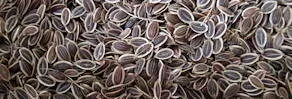
 ‘Frise Vert Fonce’ Parsley
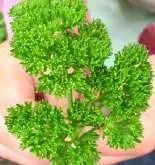
This is a nice tightly curled green parsley from France, bred to have good long stalks that hold the leaves clear of the soil, so less mud to wash off when it rains. Parsley will grow well either in a pot or in the ground. We always have a clump on the go in the greenhouse which will generally overwinter in all but the coldest years, and another in the garden over the summer, so it is just to hand when cooking. It has a good strong parsley taste - try a 'pesto' sauce made by blending lots of this parsley, cashew nuts or almonds, garlic, olive oil and a splash of vinegar plus a little warm water if needed to help it blend. Delicious!
An essential herb for the kitchen . Tightly curled.
1.5g seed £2.03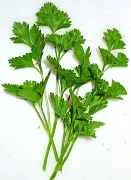 ‘Gigante di Napoli’ Parsley
This is a large flat-leaved parsley from Naples, ideal for cooked dishes and for those of you who prefer this type.
Vigorous growing with big dark green leaves & a good flavour.
1.5g seed £2.08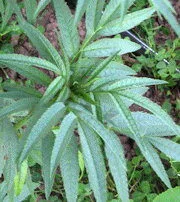 ‘Huacatay’ (Peruvian Black Mint, or Apple Marigold)
Huacatay is a herb used in Peru, with a flavour partway between coriander and mint. The plant is easy to grow indoors or out and though it can get really big in a greehouse or polytunnel you just trim it back to a smaller size if necessary.
Great chopped finely and sprinkled on bean dishes, and makes a delicious sauce that can be used like ketchup.
 30 seed, organic. £2.31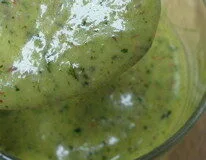
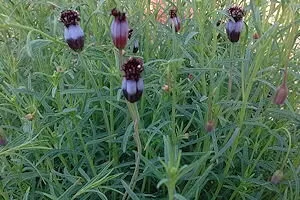 ‘Pipiche’ (Porophyllum tagetoides)
This has been used in Mexico since pre-conquest days, with a fresh citrusy-cilantro sort of flavour that also has overtones of anise.
The leaves are narrow like tarragon, and this one is smaller than its relatives above - the plants grow to about 2 ft tall. It has very unusual blue flowers without petals, and is very pretty in the herb bed.
All of this family of herbs have little glands on the leaves which is what makes the essential oils & give them their unique flavour.
The leaves are chopped finely and added to tacos or bean dishes. It's also good with meats or cheeses - you will like it if you like cilantro.
some seed £2.91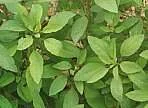 ‘Quillquiña’ (Porophyllum ruderale)
This is another incedible herb that is rarely available in the UK. With a citrus spicy scent and flavour, this is used in South America to make delicious salsa, & can also be used anywhere you would use fresh coriander. The plants have pointy leaves with an attractive blue-green colour & grow eventually to around waist high. Particularly good with bean dishes and potato cakes.
3' Tall. Spicy-citrus flavour.
 40 seed £2.91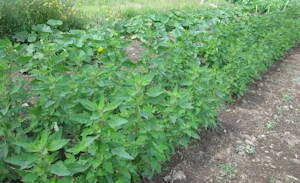
 Chervil
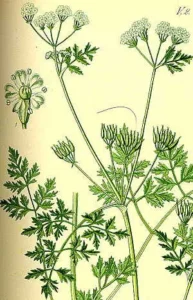
A biennial herb related to parsley, with a delicate aniseed flavour, Chervil was introduced across Europe by the Romans, and is one of the four traditional French 'fines herbes', along with tarragon, chives, and parsley, all essential to French cooking.
Use in salads and cooked vegetables and sauces / soups, add at the end to preserve the flavour.
at least 200 seed, organic. £2.21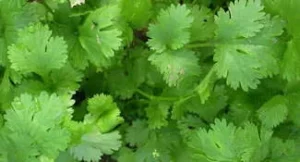 Coriander – leaf selection
This is another herb we always, always grow so that it is fresh to hand when cooking. It is really easy and we sow short rows regularly throughout the season in the greenhouse or garden. It takes up very little space for the large amount of pleasure it adds to our meals. If you want to grow coriander for the fresh leaves (rather than for seed), it is important to grow a variety selected for this purpose - like this strain which is slower to flower, and produces nice bushy plants. Keep well watered and pick very frequently to maximise production, and make two or three sowings at monthly intervals to make sure you always have fresh leaves to pick.
Grows well outdoors from late spring through into summer. You can extend the season by sowing under fleece or (ideally) in a polytunnel in early spring or in autumn and then you can have fresh coriander almost all year round.
several hundred seed £2.55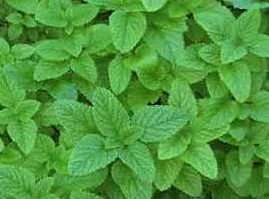 Melissa (Lemon Balm);
Related to mint, Lemon Balm has a very nice lemon-minty flavour, & is used similarly - it makes a very pleasant herbal tea, which is sweet and calming, and also in fruit dishes (as well as flavouring ice-cream if you’re getting really fancy).
Its name ‘Melissa’ comes from the Greek for ‘honeybee’, and it is a useful bee plant, attracting pollinators to your garden.
Makes a sweet & calming tea.
about 1000 seed £1.89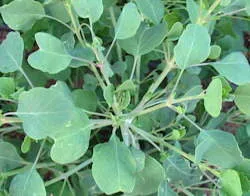 Papalo (Porophyllum coloratum)
An amazing herb from South America, this quick-growing annual has a nice, intensely spicy-sharp scent, suitable for salsas, or an alternative to coriander.
Bright green plants with pretty round leaves grow 2' to 5' tall, and need a warm sunny spot. Ben's favourite, makes fantastic refried beans and chillies.
2' Tall. Nice spicy-lemony flavour.
40 seed £2.57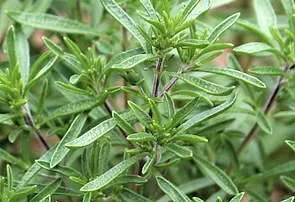 Summer Savoury
Introduced to the UK by the Romans, and the main ingredient of ‘Herbes de Provence’ mix, this is a piquant herb with a flavour like marjoram, mint and thyme.
Used all the time for flavouring beans, stews, soups, casseroles etc.
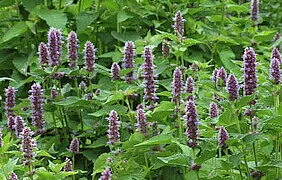
about 1000 seed £1.97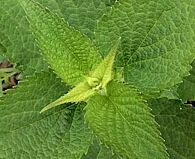 Superior Licorice Mint (Korean Mint) LOVED BY BEES!
An amazing herb with a delicious sweet flavour between mint and basil. Lovely in a decorative border or herb bed.
This is a special variety from Korea,with particularly big leaves. Really beautiful, everyone who sees it in the gardens admires it. The plants will usually overwinter and come back from the roots next year, but dont worry, it isn't at all invasive & doesn't spread. Ther perfect garden plant! You can use it as a herb, and it also makes a very pleasant tea.
It is one of the best bee plants we've every grown; they just love the beautiful blue flowers.
at least 400 seed, organic. £2.55