




Sweet Lupin Seed
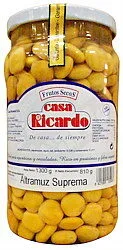
Lupins are a high-protein crop that grows well in the UK; the beautiful flowers are followed by large pods full of nutritious seed like a flattened bean.
In South America lupins are a traditional food (travellers among you will have come across them as ‘Altramuz’ or ‘Chochos’), but those old varieties were bitter, like olives, and had to be laboriously and repeatedly soaked and rinsed to make them edible. This is why we have not offered them before, even though they are easy to grow.
But now we have found a new sweet lupin – the variety “Dieta” was recently bred in the UK specially for human use and is completely bitter-free, even without any special preparation. It’s a whole new vegetable to try, that is easy and tasty!
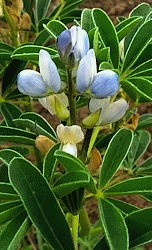 ‘Dieta’ Sweet Lupin
This grows to 2ft - 3ft tall and make spikes of beautiful flowers, followed by large pods full of edible high-protein seeds.
NOTE: People who are allergic to peanuts might also react to eating lupin seed (there are similar compounds in them) - don't feed lupins to anyone with a peanut allergy.
A special lupin variety bred for eating.
 40 seed £2.45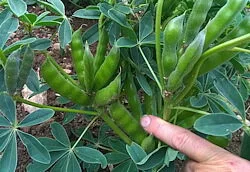
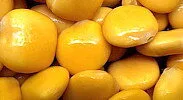
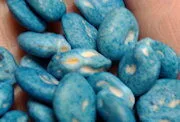 ‘Dieta’ Sweet Lupin - preinnoculated with helpful bacteria
This year we are offering for you to try exactly the same seed but pre-coated with helpful symbiotic Rhizobium bacteria, which help the plants to fix nitrogen from the soil.
Lupins, like peas and beans, form a cooporative relationship with bacteria living in the soil: the plants provide sugar and oxygen and little nodules for the bacteria to live in, and the bacteria fix nitrogen from the air and feed it to the plant. Both benefit - the plants get to grow well in soils that are very poor in nutrients, and the bacteria get a food supply and a safe place to live.
Many soils already have these bacteria living in it - especially if you've already grown peas or beans in this spot, and these will colonise your baby plants once they germinate. But some soils simply don't have the bacteria present and so it is quite common to use seed that has been pre-coated with the helpful bacteria just to make sure that it all grows well.
Once you've grown a crop in that spot the bacteria will be present and you probably don't need to buy inoculated seed again.
40 seeds £2.49