



-
-

-
-
-
-
-
-
-
-
-
-
-
-
-
-
-
TEST
Asian Greens
Our Ever-Popular selection of Easy Asian Greens
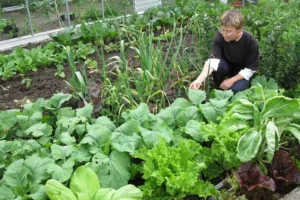
These quick and tasty greens are sown after midsummer – a time often overlooked by home gardeners. They keep your plot going through late summer, autumn, winter and the springtime hungry gap. They are nice raw in salads, cooked alone, or mixed in with any favourite recipe.
Do give them a go – once people have tried them they come back for more! Especially useful if you don’t have the space for traditional winter veg like sprouts and broccoli.
Sowing Information
These are cool-weather plants only! Normally sow in very early spring, or after midsummer. If they experience hot weather during lengthening days most will just flower when tiny rather than growing leaves. The simplest thing is to jsut sow them after midsummer, when the days are shortening.
(swipe to scroll)
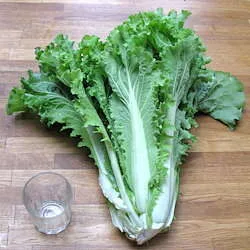
‘Bekana’ Chinese Salad “Cabbage”
Bekana is a very quick growing oriental green that makes large open heads of pale green leaves. Don't be put off by the name. This fantastic plant isn't a cabbage at all; it’s shaped like a Pak Choi with long white stems and gently wavy leaves. It has juicy white midribs that you will recognise as the yummy bits from your chinese takeaways, and the tender leaves have an excellent flavour. It is quick to grow even from a Spring sowing and has a great flavour raw in salads, or cooked as a green.
Particularly tasty stir-fried, also good for winter & early spring salad stuff.
 approximately 200 seed £2.40
Sowing Information
(swipe to scroll)
 ‘Michilli’ Chinese Green -SPECIAL PRICE
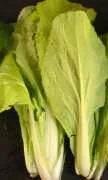
A fast-growing, pale green, upright 'chinese cabbage' that has white ribs. If you don't know this vegetable, it's not at all 'cabbagey' - its actually a completely seperate subspecies, with a very mild flavour, and is used used in salad or cooked. You might recognise this as the yummy pale green-white bits in chinese take-away noodles with vegetables. The picture shows a young plant, they become more cylindrical as they get bigger.
Upright Chinese green, great cooked or raw, keeps well once cut. Easy.
 approx 400 seed £1.80
Sowing Information
(swipe to scroll)
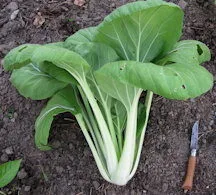
‘Tai Sai’ White Stem Pak Choi
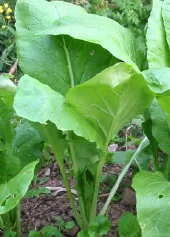
From our 2010 trials - a special Pak Choi from Japan, bred for unusually large and long white stems. It is remarkably bolt-resistant and can be sown in early spring or in midsummer. See Ben's penknife in the photo for a sense of how huge these can get!
The stems are tender and it is quick to grow with a particularly good flavour. It's interesting to see how people in other countries have bred similar vegetables, but starting from different plants; this seems to be the pak-choi equivalent of the large-stemmed Chard that is used in Northern Europe.
We were very sucessful growing this in a greenhouse in early spring, getting large heads by the start of May. We were really impressed by the fact that it didn't run to seed even in the heat.
 300 seed, organic. £2.49
Sowing Information
(swipe to scroll)
‘Tsoi Sim’ Japanese Flowering Shoots & Leaves
An amazing vegetable from Japan, this grows very quickly - ready in just 3 or 4 weeks - giving vividly glowing green leaves and flowering shoots that are great cooked or raw.
All parts of the plant has a fantastic flavour, and it is really easy to grow - pick young when it starts to make flower shoots - just before the flowers open is ideal. Harvest young as it flowers - take whole plants, cook the flower shoots and leaves all together. You’ll need 6 or so for a meal, so we give you quite a lot of seed.
Tsoi Sim runs to seed quicker (a response to lengthening days) if sown early in the year but that’s OK as you’re growing it for the flower stems anyways. So, sow repeatedly at any time, but you’ll get bigger plants if sown after midsummer.
Sow repeatedly at any time, but particularly after midsummer. In late autumn, sow under cover for production over winter.
300 seed £2.53Sowing Information
(swipe to scroll)
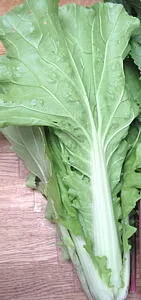
‘Wong Bok’ Chinese Green
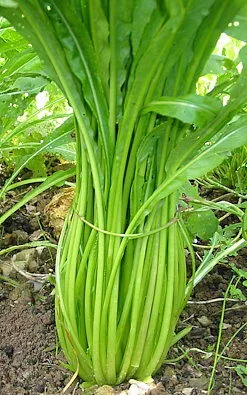
A fast-growing, pale green, upright 'chinese cabbage' that has white ribs. If you don't know this vegetable, it's not at all 'cabbagey' - its actually a completely seperate subspecies, with a very mild flavour, and is used used in salad or cooked. You might recognise this as the yummy pale green-white bits in chinese take-away noodles with vegetables.
The picture shows a young plant, they become more cylindrical as they get bigger.
Upright Chinese green, great cooked or raw, keeps well once cut. Easy!
300 seed, organic. £2.20Sowing Information
(swipe to scroll)
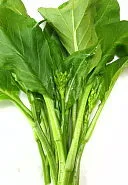
“70 Days Improved” Mid-season Choy Sum
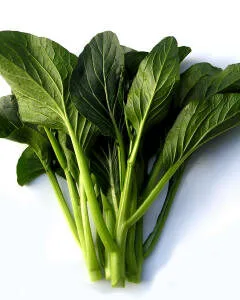
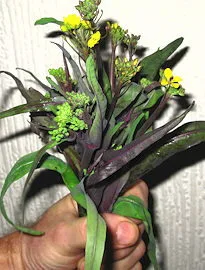
This variety from China is chosen for its darker green leaves and flowering shoots that are great cooked or raw. The whole plant is edible - harvest flower shoots and leaves all in a bunch when it starts to flower - as pictured. Delicious, like broccoli, one of Ben's favourites!
This variety has been selected for being bolt-resistant ,and is also a bit more cold tolerant. Normally sow in late summer, but very early in spring under cover works well too.
Ready about 70 days or so after sowing.
300 seed £1.65Sowing Information
(swipe to scroll)
“Komatsuna” Japanese Green
Komatsuna is an incredibly versatile green from Japan and Korea with leaves used as a cooking leaf like Kale or Chard, or used raw in salads. It is delicious, cold tolerant and easy to grow all year - you get small plants after about 30 days, or bigger after about 70 days - and you can harvest at any time. There are so many ways to grow this, you can't really go wrong:
- Either sow direct - or in a seedbed, or in pots and then plant out.
- You can sow several times from spring to autumn.
- The main sowings are in spring and summer.
- You can also sow in late summer/autumn under cover and they will grow overwinter in an unheated polytunnel or greenhouse
So the easiet thing is to sow in a drill about 5cm apart and then progressively thin to about 45cm apart as the plants get bigger, eating the thinnings as you go.
The plant is not only delicious, but also drought and cold resistant.
200 seed £2.44Sowing Information
(swipe to scroll)
“Nine Headed Bird” Cunning Greens
The name in Chinese is 'Jiu Tou Niao', which means "Nine Headed Bird". It is an old heirloom variety of mustard leaf from South China, with green serrated leaves, & is prized locally for the texture and flavour of the greens.
We were recently sent more detail by Dr Grabowska-Zhang (see the feedback box below) This is a good mustard green and we hope you enjoy growing it.
Hot and spicy raw, tasty and mild cooked. There are many local varieties of this sort of green yet to be discovered in the West.
200 seed, organic. £1.90
Sowing Information
(swipe to scroll)
“Vibrant Joy” Purple Pak-Choi
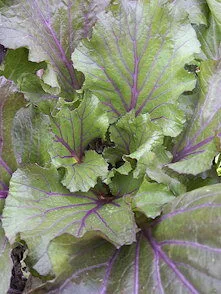
An amazing new variety from plant-breeder Frank Morton, with vibrant shades of magenta, violet, purple, and rose pink on the petioles, sometimes the leaf veins, and sometimes the entire leaf.
Colour saturation is best with cold weather, so recommended planting is in September. Tunnel plantings Jan-Feb should also colour well.
200 seed £2.37Sowing Information
(swipe to scroll)
“Welcome” Chinese Flowering Shoots & Leaves (Red-stem)
This is a new variety we have chosen to complement the green Tsoi Sim above, which is so popular with everyone. It is a fantastic oriental vegetable grown for its flowering shoots, used like sprouting broccoli, but much quicker to grow. This variety has been chosen for its red-purple stem colour.
Use both in salads and cooked. Whole plant is edible - harvest flower shoots and leaves all in a bunch when it starts to flower.
Normally you sow it in late summer, but very early in spring under cover may be worth trying as well.
300 seed £2.44Sowing Information
(swipe to scroll)
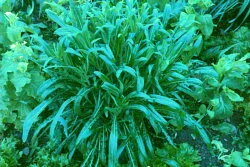
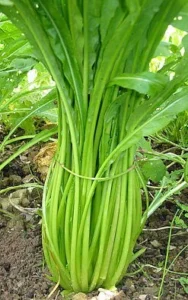 Mibuna
A quick and ridiculously easily-grown salad for cooler weather. This is a really good one to try if you were just starting out with the Asian greens because it is so incredibly productive and really easy to grow.Big bunches of narrow oval leaves with succulent stems which you can just pick by the handful. Super-tasty both cooked and in salads.
When to sow? It's a cool-weather plant. Normally we sow in very early spring, or after midsummer, because it doesn't like heat - in hot weather it would go striaght flower when tiny . Other than that, simple!
300 seed, organic. £1.88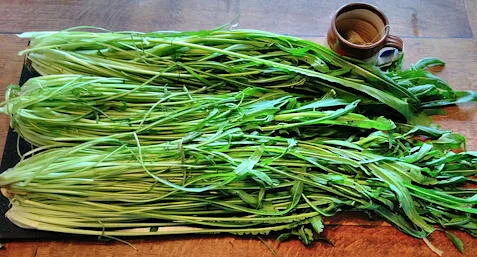
Sowing Information
(swipe to scroll)
Mispoona
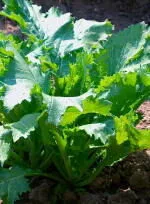
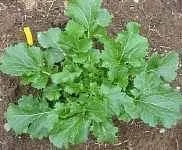
A totally new vegetable we introduced for the first time in 2006, created by Frank Morton by crossing Tatsoi with Mizuna. We really like it. It combines the bolt-resistance of Mizuna with the big leaves of Tatsoi. You can sow it in spring or midsummer, and it very quickly makes big rosettes of dark green leaves that are delicious raw or cooked. Every time we grow it we are simply amazed by how quickly and hugely the plants head up. For a sense of scale, the yellow thing in the photo is a standard 4-inch plant label!
Wonderful.. Limited seed every year, so order early.
200 seed, organic. £2.59Sowing Information
(swipe to scroll)
Mizuna
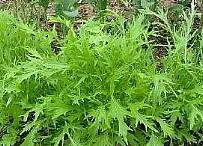
One of the simplest oriental greens, and gives a very rapid return from a small space. An excellent salad crop, tolerant of both hot and cold weather – with a good texture and flavour. The leaves are ready within 3-4 weeks of sowing, and plants will continue to produce for months. This is a specially quick-growing variety, with deeply cut leaves that give plenty of lift to your salads. An excellent salad crop year round, being tolerant of both hot and cold weather without bolting.
High returns from a small space.
500 seed, organic. £2.59Sowing Information
(swipe to scroll)
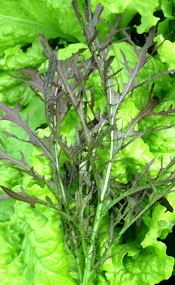
Red Mizuna
Tremendously good looking, a vigorous plant with deep red veins and a lighter red blush to the leaves. A brilliant (in all senses of the word) addition to your salad, and very easy to grow. Apart from the colour it is a normal Mizuna - quick and easy, with leaves ready within 3-4 weeks of sowing, and it continue to produce for months. An excellent salad crop at many times of the year, being tolerant of both hot and cold weather without bolting, although in hot weather its trace of mustard ancestry (where the red came from) shows up as it can sometimes get slightly spicy in midsummer.
Rare red variant of Mizuna!
700 seed, organic. £2.27Santoh Round
A very fast growing pak choi from Japan, this has very pale green (almost true yellow) rounded leaves that can be harvested as soon as just one month after sowing. This did really well in our 2008 salad trials, and has been a favourite ever since. It is excellent both cooked and in salads. The great thing about this variety is that it is very quick, and resistant to bolting. Most pak choi has to be sown after midsummer - but this one can do well EVEN if sown in early spring.
Super-quick, ready 30 - 40 days after sowing. Can even be sown in Spring.
200 seed, organic. £2.67
Sowing Information
(swipe to scroll)
Tatsoi
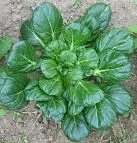
Tatsoi is a delicious cooked green that has been bred for its big rosettes of dark green oval leaves, an Asian equivalent of spinach. It has a really good flavour cooked or as baby leaves in salad.
The taste is great and the plants are almost foolproof. If you like Pak Choi, you'll like this too - a similar taste but comes ready sooner. We grow both!
Dark green rosettes, quick and tasty. Normally sown after midsummer but you can sow in spring as well.
300 approx seed, organic. £1.99Sowing Information
(swipe to scroll)
TEST - NEW
the short description
a big packet £0.00Sowing Information
sow only on the full moon
(swipe to scroll)
Saving Asian Greens seed
There's really no need for example to buy Pak Choi seed from us every year at all. You just set aside a patch of good plants (eat any rubbish ones) , and let them flower, making sure that you've got a reasonable number, that they are healthy, and that no other sorts are flowering nearby that might cross with them. You'll get lots of seed pods in August.
Many of the brassicas (turnips, cabbages, cauliflowers etc) will cross with each other very readily - so only let one variety flower each year.
Flower stalks from a good-sized population are hung up to dry, then broken open over a bowl . The bits of pod are screened out with a sieve or a soil riddle - but you can instead winnow them off in a breeze pretty easily if you prefer.
It's pretty foolproof - why not give it a go?