




Leek Seed
Leaks are not all actually the same; some of them are quick growing and tender, so you get them soon but they don’t stand over winter. Others grow more slowly but are hardier and you can leave in the ground even when it’s frosty.
Between them all you should – with a bit of luck – have leeks for almost half the year. Generous packets, because we like to grow lots of leeks.
Sowing Information
Best sown in modules/trays early under cover to get a good start, and protect them from slugs, who love the freshly-germianted seedlings. If sowing in an outdoors seedbed, then wait a bit til the soil warms up. Either way, plant into their final position once about pencil-sized.
(swipe to scroll)
Early Leeks
These leeks grow faster but are more tender and won’t survive winter frosts, so use them in the autumn.
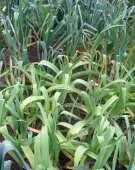 ‘Jaune de Poitou’ Yellow Leek (Early)
A nice productive early leek for autumn harvest - the yellow colour makes a great contrast in the garden.This traditional leek from the west of France grows quickly. Get it in early, and it is then ready right at the start of the winter, making short fat leeks in Autumn.
We're so happy to have got some seed of this again - it is incredibly rare. This seed batch, although new, does not germinate as well as we would like - about 70%. But it is almost never available so we have decided to offer it anyways, and have put extra seed in the packet. Please sow slightly more than usual.
Normally harvested before the really hard frosts start, as it is not as cold-hardy as the overwintering leeks below.
 400 seed, organic. £2.39
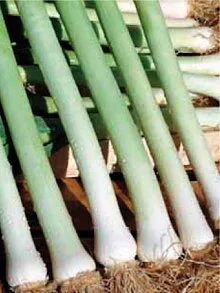 ‘Long Giant Greek’ Leek
A large leek from Greece. Ideal for making authentic Prasorizo; a traditional rice dish with leeks, dill and tomato, very similar to risotto. Look online for recipies!
A trial variety in 2024 - Let us know what you think, just email in with your county and how it did for you.
 approx 400 seed £1.89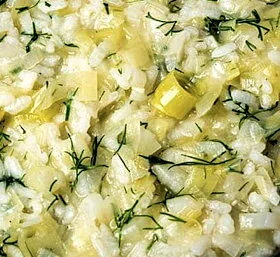
 Giant Bulgarian Leek
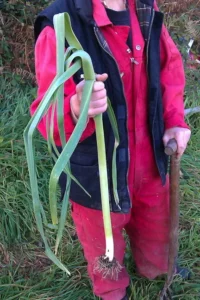
This is a wonderful leek, and one we grow every year to eat ourselves. The great thing about them is that they are exceptionally tall, meaning that you get much more usable leek for your work, and they are very clean to harvest and easy to prepare.
We first came across them in the wonderful blog of Steven Edholm - the second photo shows Steven with one of his Giant Bulgarian leeks. We've yet to get ours this big, but they really are exceptionally long shanked and quick growing.
Less cold hardy than some of our other varieties, so use them first before the worst of the winter frosts.
400 seed £2.24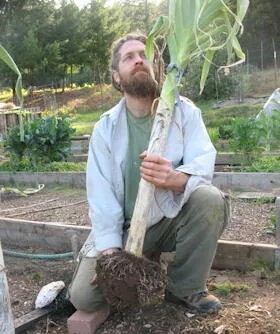
Hardy Leeks
These grow more slowly but are more resistant to cold spells, so they can often be left in the ground for use overwinter and into spring.
 ‘Bleu de Solaise’ Blue Winter Leek
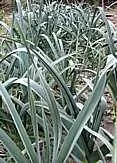
An old French winter variety - long leeks with blue-grey leaves. Hardy and very cold-resistant, it turns darker after frost.
In a comparative trial against 'Musselburgh', it was noticeably more vigorous, growing faster & bigger, although the two varieties share a common ancestry.
A good one for standing overwinter even in atrocious weather.
Late, for winter/spring harvest.
400 seed £2.66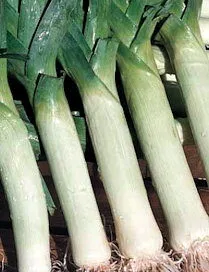 ‘Monstrueux de Carentan’ Fat Leek
A traditional French variety of fat leeks for autumn/winter harvest, from the small town of Carentan in France, near to the English Channel.
Selected over the years for earlier, fatter leeks, at the cost of a tiny bit less cold-resistance. A good all-round leek, normally harvested in late autumn/early winter.
Fat, for autumn/winter harvest.
300 seed, organic. £2.50